A. Joseph Tamer
STEM EDUCATION
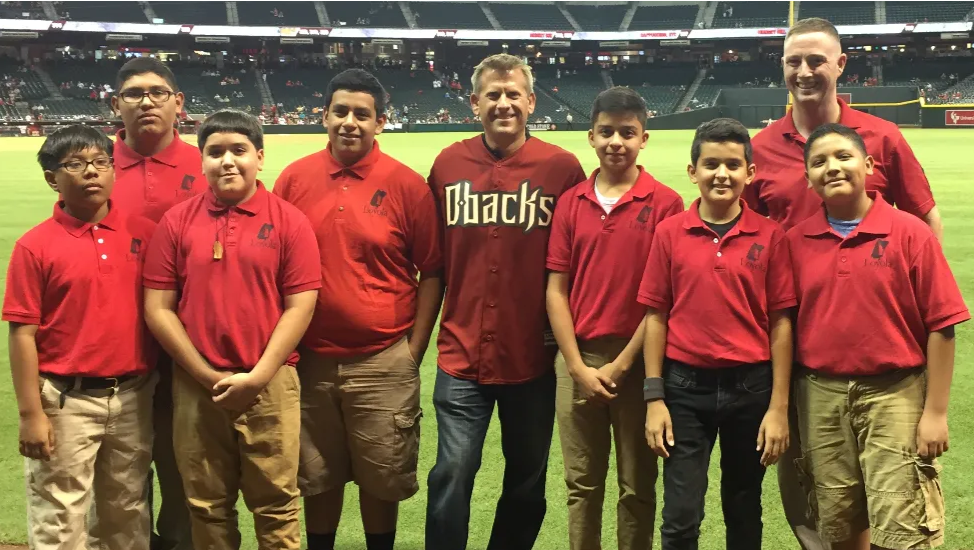
I believe students learn most deeply when curiosity leads them to investigate questions they genuinely want to understand. At Loyola Academy, I connected rigorous science with issues meaningful to my students, including using the NFL’s “Deflategate” controversy to investigate the Ideal Gas Law and evaluate the evidence for themselves. ESPN picked up the story and invited the scholars and I to meet with Sport Science host John Brenkus before a Diamondbacks game that promoted “the Science of Baseball”.
Experiential & Student-Centered Learning
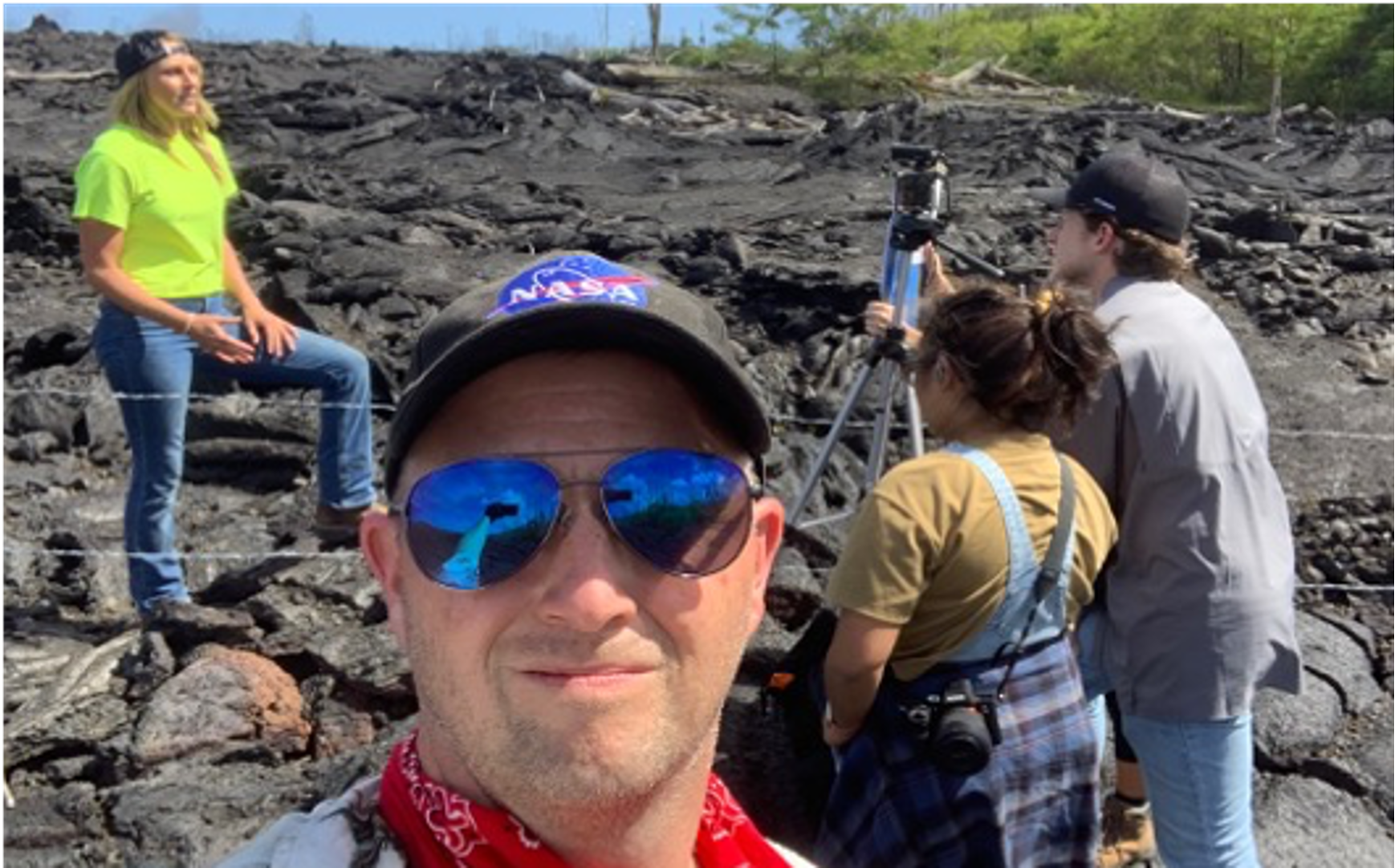
Context can transform abstract concepts into meaningful learning by connecting ideas to the places, people, and communities that give them relevance. Working with UH Mānoa, I helped educators learn to create virtual tours that could bring authentic places and local perspectives into their own classrooms. We later shared this work at AGU, highlighting how accessible authoring tools can empower Native Hawaiian educators and students to create and scale their own place-based learning experiences.
Place-based Education
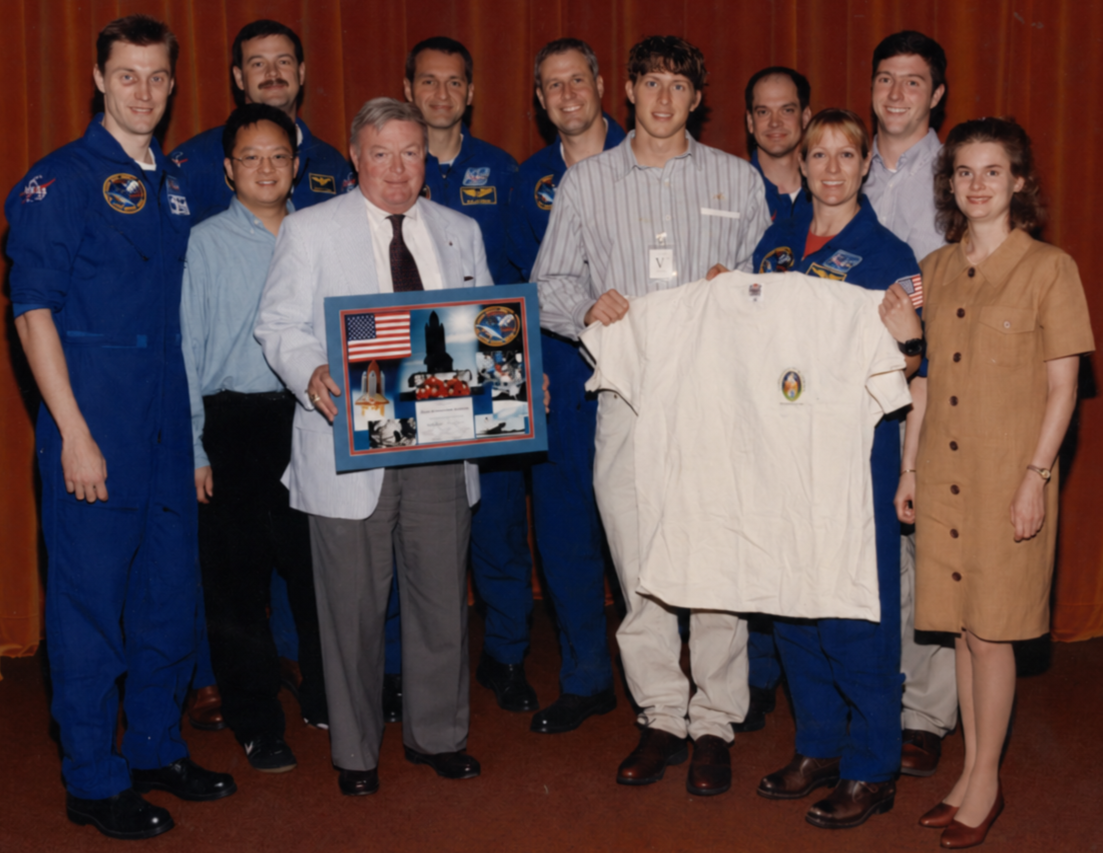
Exploration has shaped my approach to learning since graduate school, when I studied at the forefront of the emerging field of astrobiology and saw the power of pursuing questions that crossed traditional disciplines. I carried that philosophy into my leadership of the NASA Astrobiology Academy, where our students explored how weightlessness affects astronaut sleep and earned approval to conduct their experiment aboard the Space Shuttle Columbia during the Neurolab mission. Read the abstract of the students’ work in Neuroscience News.
Education Through Exploration
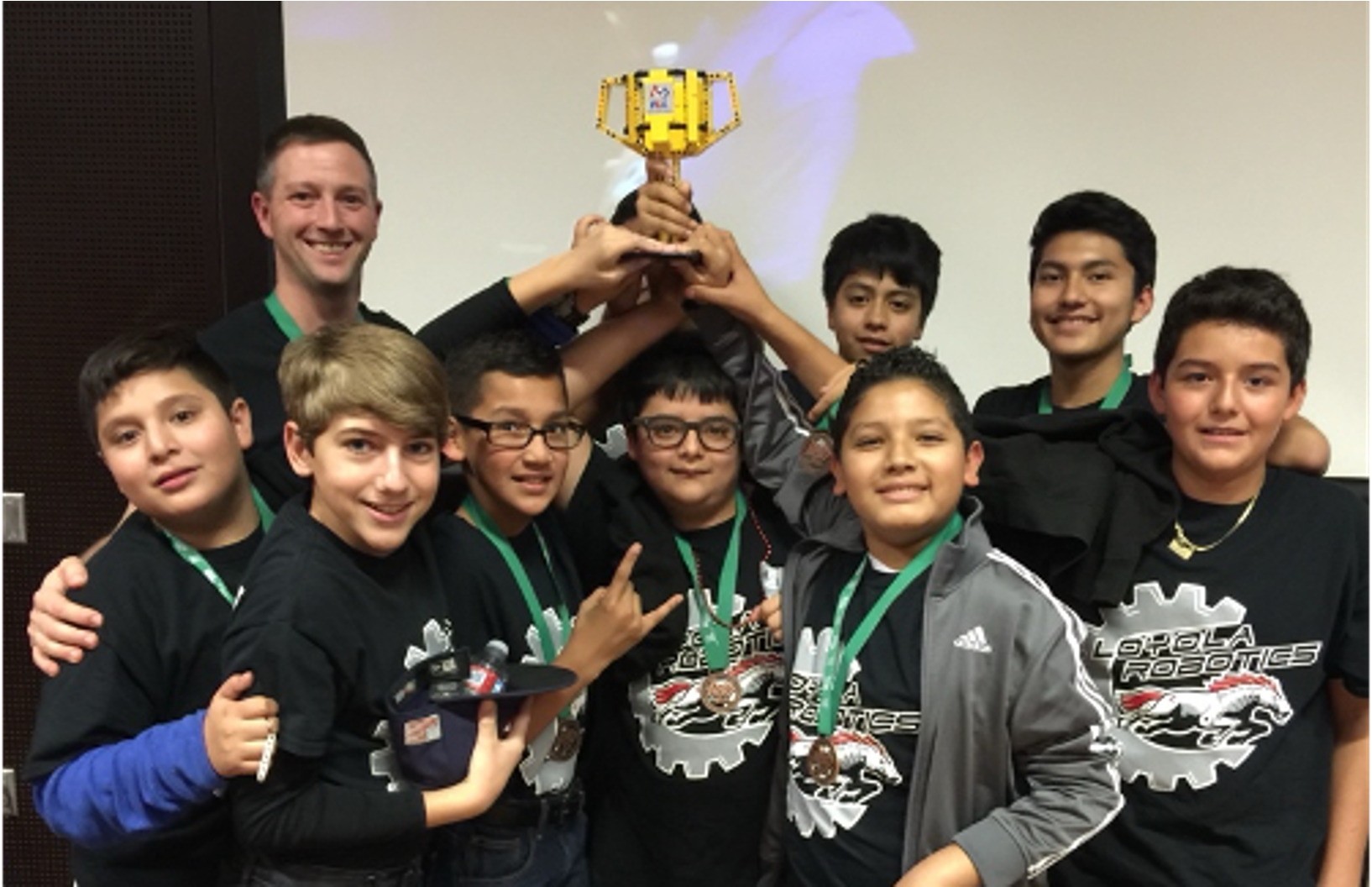
At Loyola Academy, I taught young men from underserved communities in a rigorous program designed to expand educational opportunity. Our scholars averaged approximately two years of academic growth for each year in the program. In science, I connected that same combination of high expectations and student agency to authentic questions through our award-winning FLL Robotics program. The image shows me with the team after earning 1st place for sportsmanship and a 4th overall tournament finish.
Quality STEM Education for All
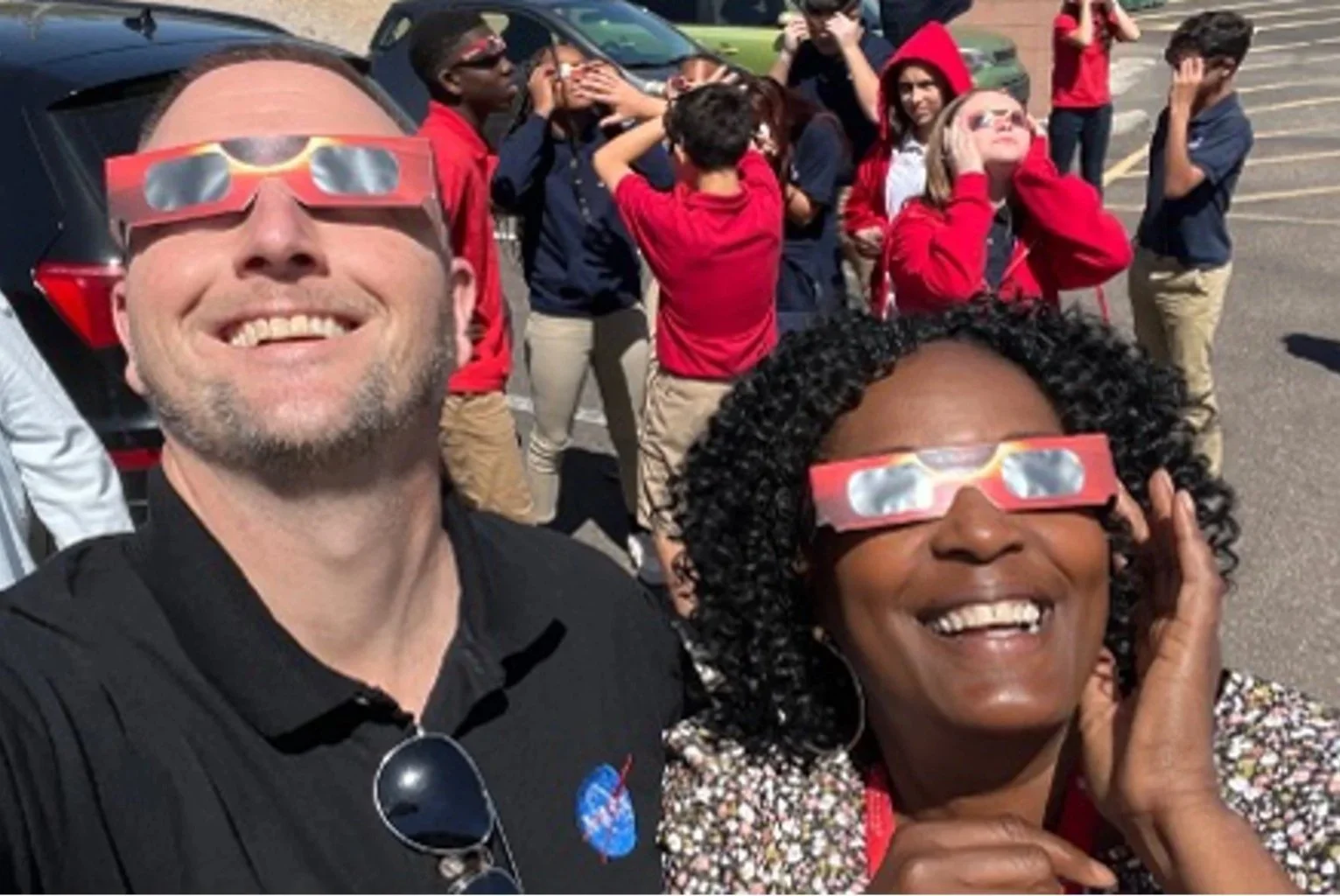
Digital learning should not replace hands-on experiences; at its best, it prepares students to engage more deeply with them and extends learning before and after the shared experience. NASA Infiniscope’s Eclipse Collection offered one example. At Heritage Elementary, we paired those digital explorations with a school-wide eclipse viewing party, connecting interactive learning with the excitement of observing the phenomenon together in person.
Active Learning at Scale